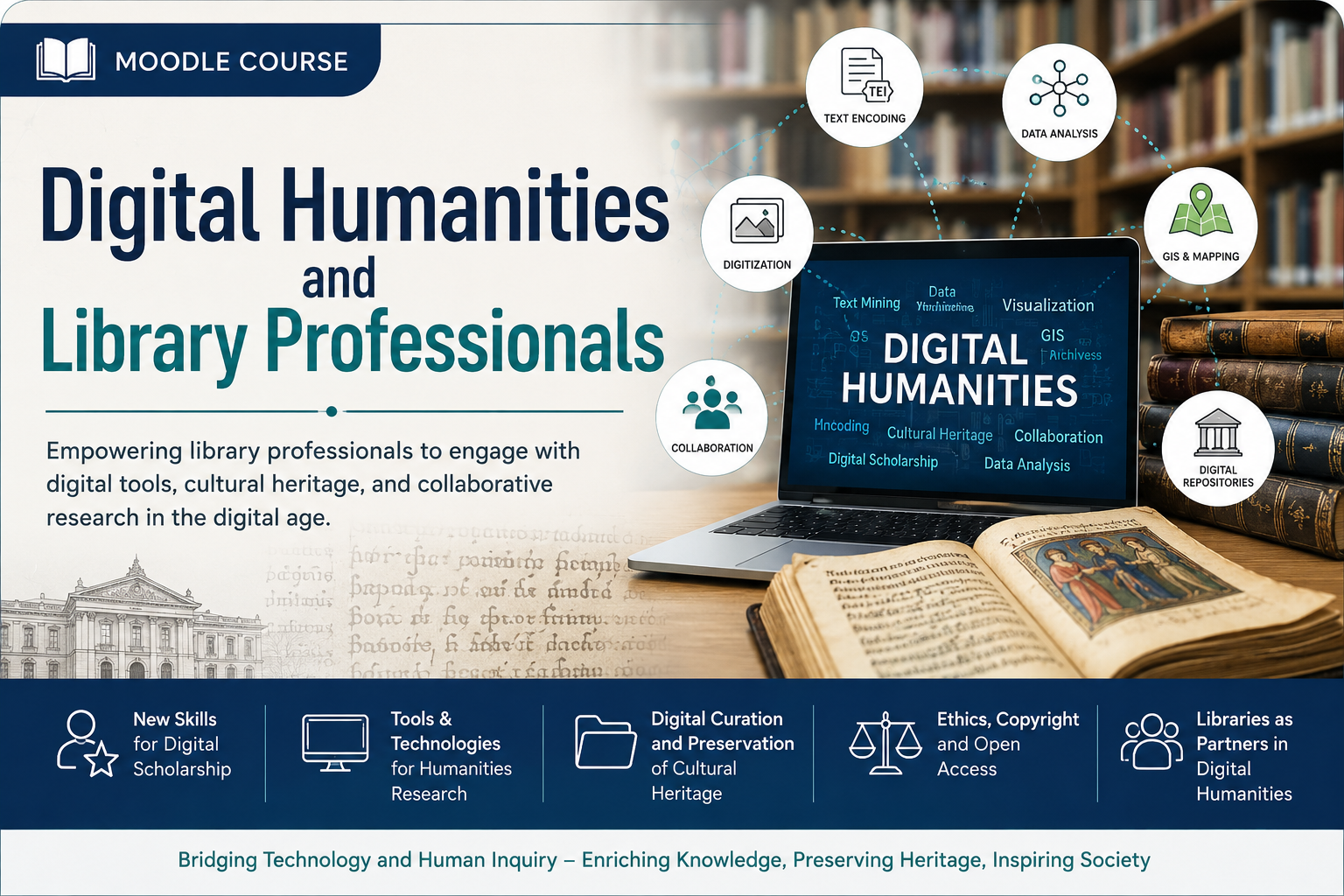
The Digital Humanities course category explores the dynamic intersection of technology and the humanities, offering innovative approaches to research, teaching, and knowledge creation. It introduces learners to the use of digital tools and methods in disciplines such as history, literature, culture, and archival studies. Courses in this category focus on areas like text analysis, digital archiving, data visualization, and cultural analytics. Learners gain hands-on experience with software and platforms used for managing and interpreting digital cultural resources. The category emphasizes critical thinking about the impact of technology on human expression and knowledge systems. It also highlights issues of digital preservation, accessibility, and ethical use of information. Students are encouraged to engage in interdisciplinary projects that blend traditional scholarship with modern technological practices. This category is ideal for those seeking to enhance research capabilities in a digital environment. It prepares learners for emerging roles in libraries, archives, museums, and academic institutions. Overall, Digital Humanities fosters a deeper understanding of how technology reshapes the study and communication of human culture.

Digital Humanities is an interdisciplinary field that integrates digital technologies with the study of human culture, history, and society. This course introduces learners to the fundamental concepts, tools, and methods used in digital scholarship. It explores how computational techniques can be applied to analyze texts, images, and cultural data. Students learn about digital archives, metadata standards, and the organization of information in online environments. The course also covers data visualization and its role in interpreting complex cultural patterns. Emphasis is placed on critical thinking about the ethical and social implications of digital technologies. Learners engage in practical activities using tools for text mining, mapping, and content management. The course highlights the importance of preserving digital heritage for future generations. It encourages collaboration across disciplines to create innovative research outputs. By the end of the course, students develop both technical skills and a deeper understanding of the evolving landscape of humanities in the digital age.